/ technology
Tecnología de impresión 3D de hormigón
Tecnología innovadora en la que las estructuras se crean mediante deposición automatizada capa por capa de mezcla de hormigón según un modelo digital.
Concrete 3D printing (3D Concrete Printing, 3DCP) is an innovative construction technology in which structures are created by automated layer-by-layer deposition of concrete mix according to a digital model.
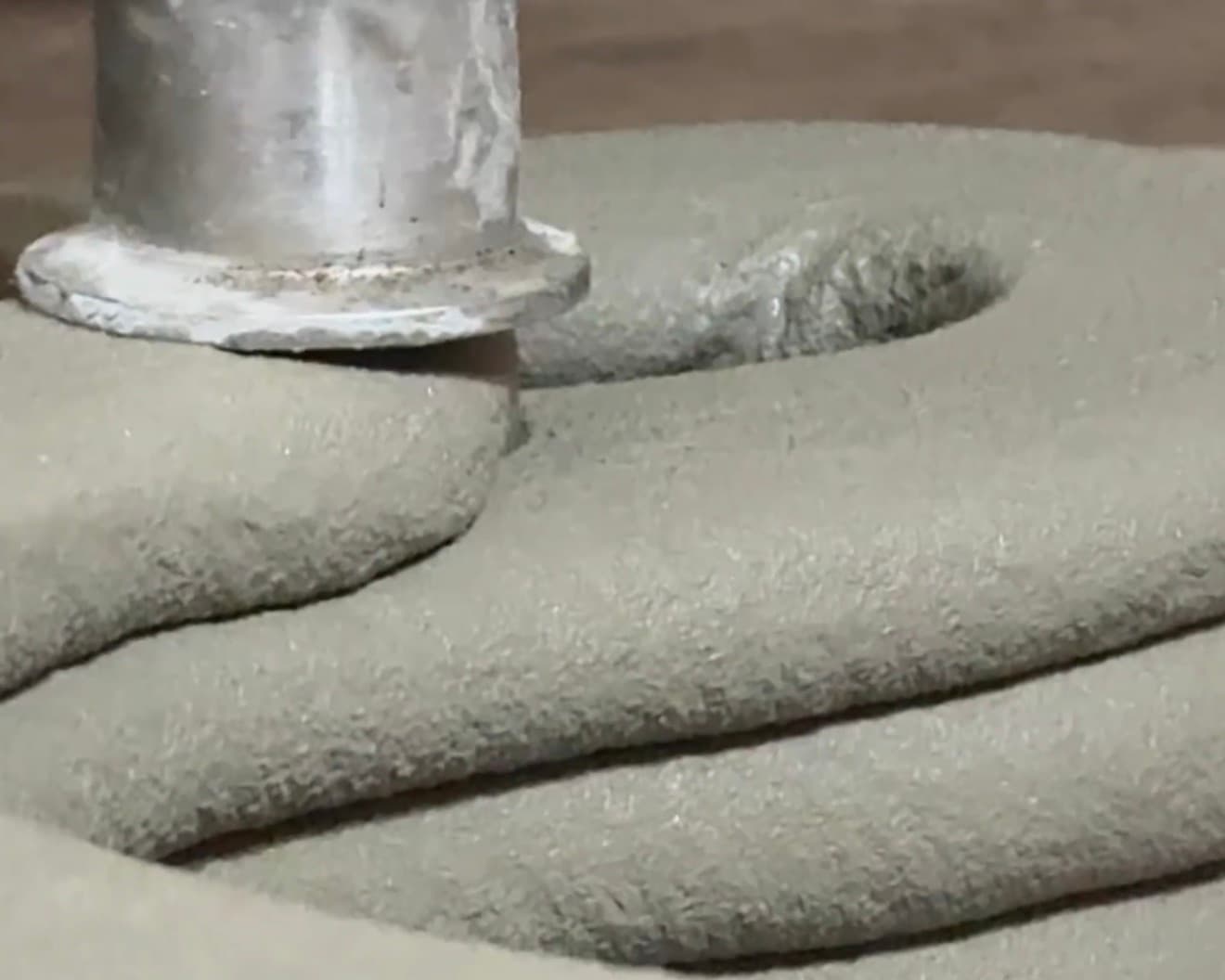
Unlike traditional construction where geometry is formed using formwork, in 3D printing the shape is created directly during material extrusion. This ensures a high level of automation, geometric accuracy and reduced dependence on human factors.
Today additive construction is actively used worldwide for buildings and structures of various purposes, as well as landscape products and architectural décor.
01
Digital design
A parametric 3D model is created in CAD or BIM systems. The project is adapted for additive construction considering layer thickness, minimum curvature radii, allowable overhangs, reinforcement schemes and engineering communications.
02
Print preparation
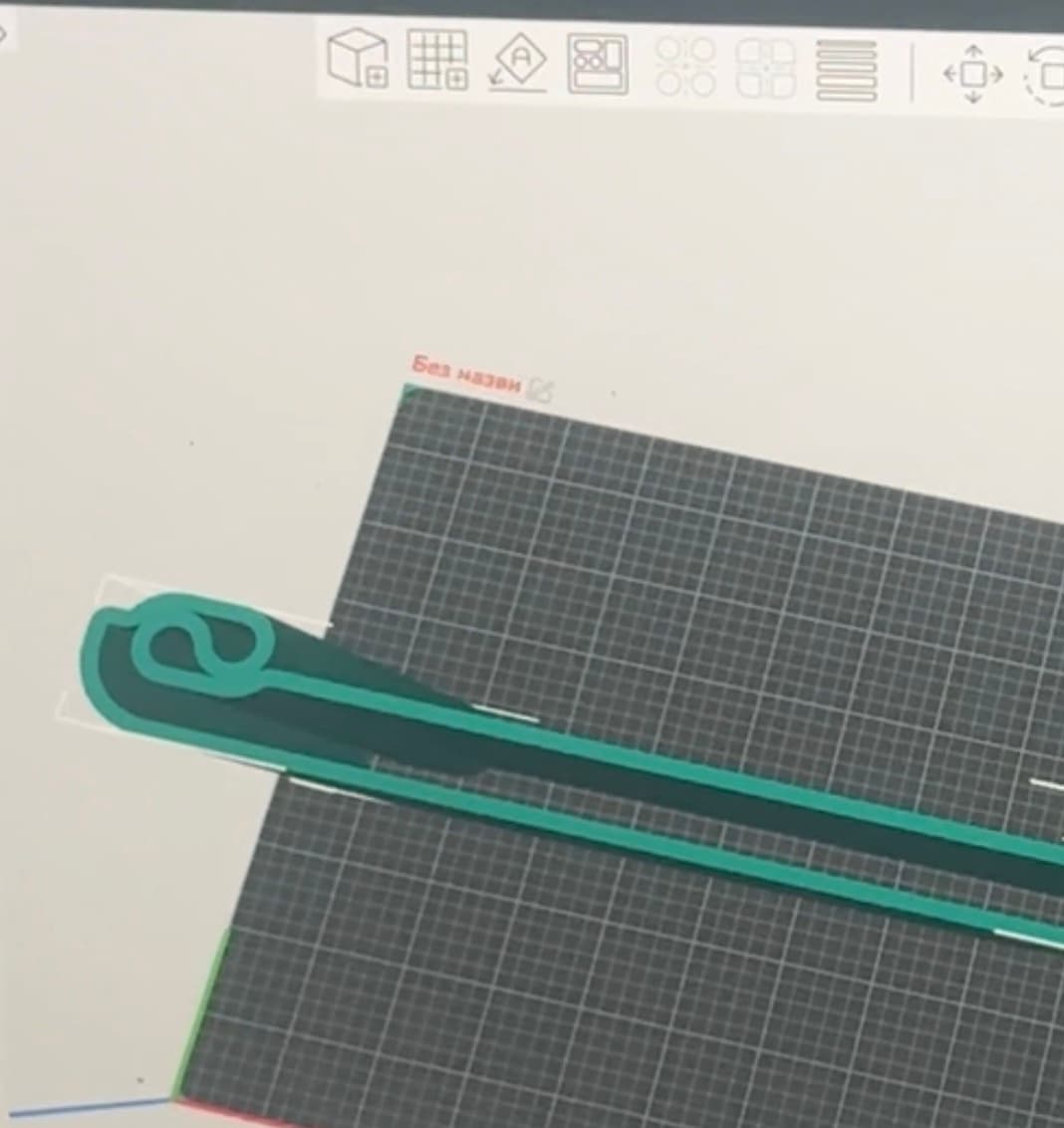
The model is exported to a mesh format (STL or OBJ) and processed in a slicer: split into horizontal layers, nozzle trajectories formed, speed and flow parameters set, G-code generated — the printer motion program.
03
Material preparation and feed
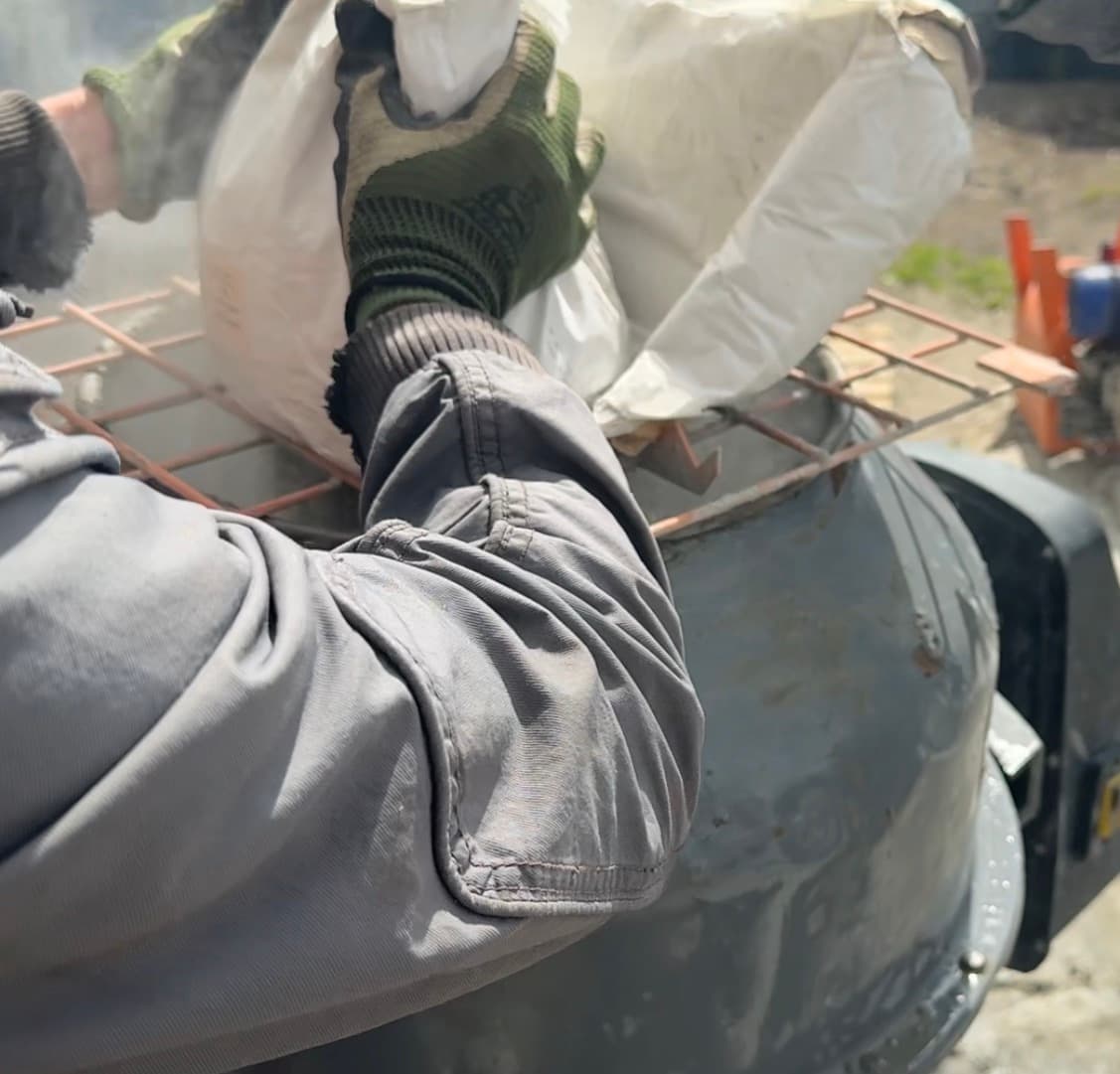
Special concrete mixes with controlled rheological properties are used. Mix is prepared at a mixing station and fed to the print head through a high-pressure pumping system. Key requirements: plasticity, open time, high inter-layer adhesion and accelerated setting time.
04
Printing process
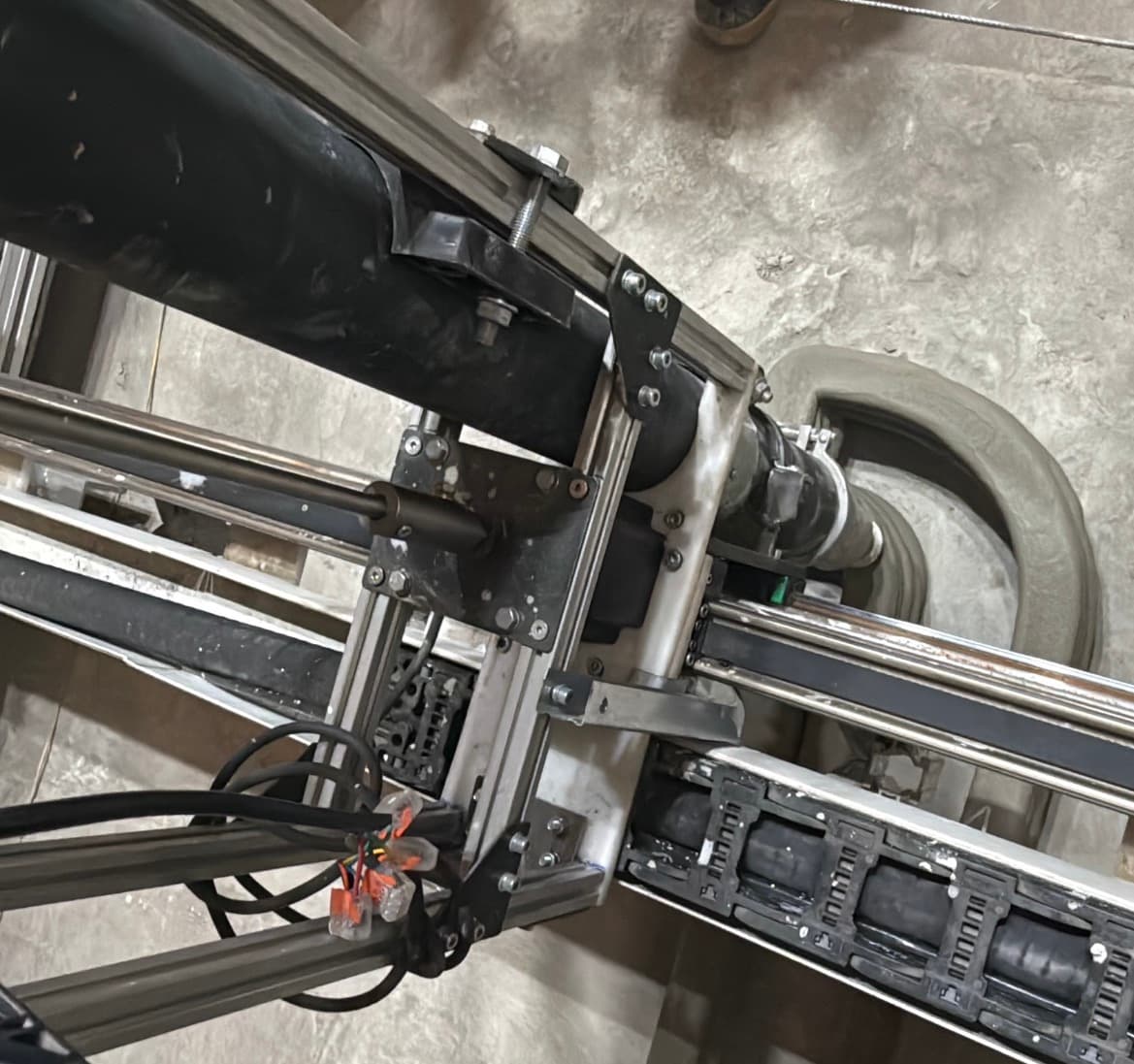
The construction printer moves the extruder along XYZ trajectories and deposits material in layers, forming a monolithic structure without formwork. Wall printing speed — up to 150 mm/s, daily output — over 10 tons. Composite reinforcement and embedded parts are installed during printing.
05
Post-print works
After printing: optional heat treatment, installation of utilities, insulation and sealing, external and internal finishing. Structures may be covered and moistened until strength is gained.
Ventajas de la tecnología
High speed
House walls can be printed in a few days
Lower labour
Labour needs are significantly lower than with traditional methods
Less waste
Material is used only in the construction zone
Architectural freedom
Complex curved forms are possible
Lower cost
Reduced labour, materials, formwork, logistics and finishing costs
Improved safety
Less work at height and lower risk of workplace injuries
Características estructurales
3D printing enables new principles of structural form-making: double or triple walls with internal chambers, honeycomb and wavy structures, integrated channels for electricity and ventilation, geometric material optimisation.
It is necessary to account for different strength of printed structures along and across layers — due to lower inter-layer adhesion compared to adhesion within layers.




Materiales para impresión 3D
Mixes for additive construction differ from traditional concretes. They may include:
- Portland cement or alternative binders
- Quartz and mineral micro-fillers
- Admixtures (plasticisers, stabilisers, accelerators, etc.)
- Polymer or basalt fibres for dispersed reinforcement
- Secondary mineral materials
Desarrollo de la tecnología
The technology is actively developing in Ukraine and worldwide, has a number of problems and limitations, and requires further development:
- Several countries are completing implementation of building codes for additive construction
- Research is underway on integration of traditional reinforcement
- Leasing and franchising programmes are being launched for business without purchasing expensive equipment
- Training of skilled workers, technologists and design engineers is beginning
- The range of mixes is expanding and prices are falling for different climates
Perspectivas de desarrollo
Additive construction is expected to become one of the key drivers of the construction industry in the coming decades:
- Automated factories for modular building structures
- Use of artificial intelligence to optimise print trajectories
- Wide use of recycling and eco-friendly materials
Thus concrete 3D printing is forming a new model of construction — digital, fast and resource-efficient.